
Exploring Innovative Trends in Therapy and Counseling: What’s New?


Embracing Technology in Therapy
The landscape of therapy and counseling is rapidly evolving, with technology playing a significant role in reshaping how professionals deliver care. One of the most groundbreaking advancements is the rise of **teletherapy**. With the convenience of virtual sessions, therapists can reach clients in remote areas, ensuring accessibility and continuity of care.
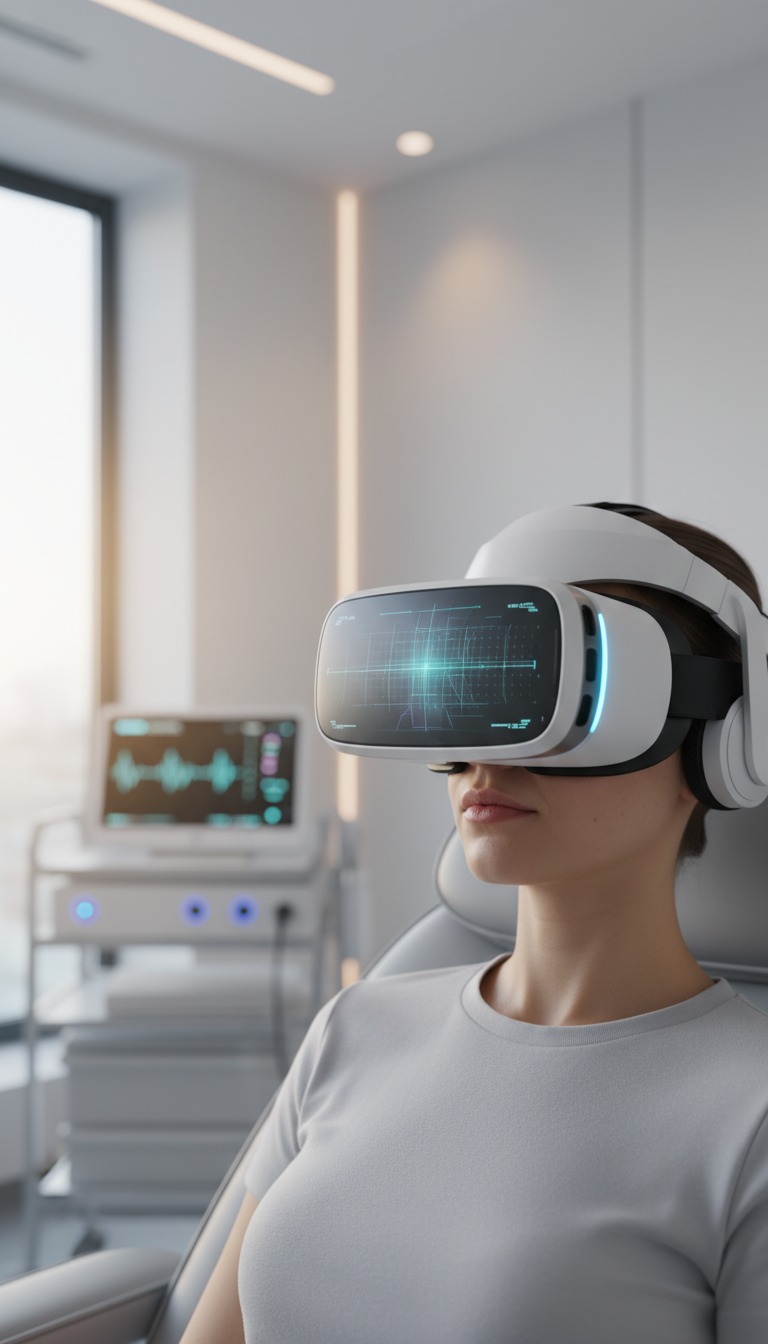
In addition to teletherapy, **virtual reality (VR)** is gaining traction as a tool for exposure therapy, particularly beneficial for treating phobias and PTSD. By simulating environments in a controlled manner, VR allows clients to confront and manage their fears in a safe setting.
Integrating Artificial Intelligence
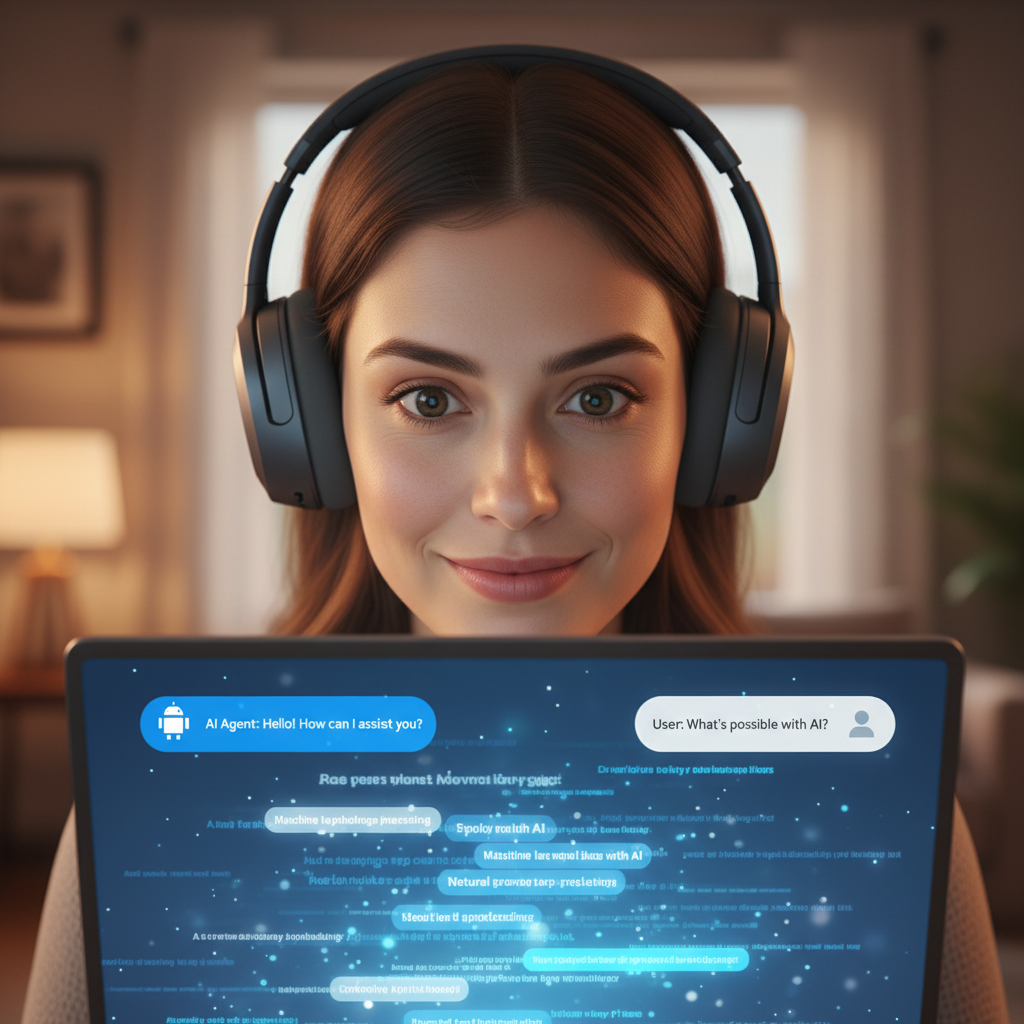
Artificial intelligence (AI) is making waves in the therapeutic world, providing innovative ways to support mental health professionals. AI-driven chatbots offer a preliminary line of support, helping users manage anxiety and stress through guided conversations and exercises.
Moreover, AI is being utilized to analyze patterns in speech and behavior, offering therapists valuable insights into a client's emotional state. This data-driven approach can enhance the personalization of therapy sessions, making them more effective and tailored to individual needs.
The Rise of Holistic Approaches
Another trend gaining momentum is the incorporation of **holistic approaches** in therapy. This method emphasizes the connection between mind, body, and spirit, promoting overall well-being. Techniques such as mindfulness, yoga, and meditation are being integrated into traditional therapy practices.
Therapists are also exploring the benefits of **nutrition and exercise** in mental health. By understanding the impact of diet and physical activity on mood and cognition, counselors can offer more comprehensive treatment plans that address both psychological and physical health.

Focus on Diversity and Inclusion
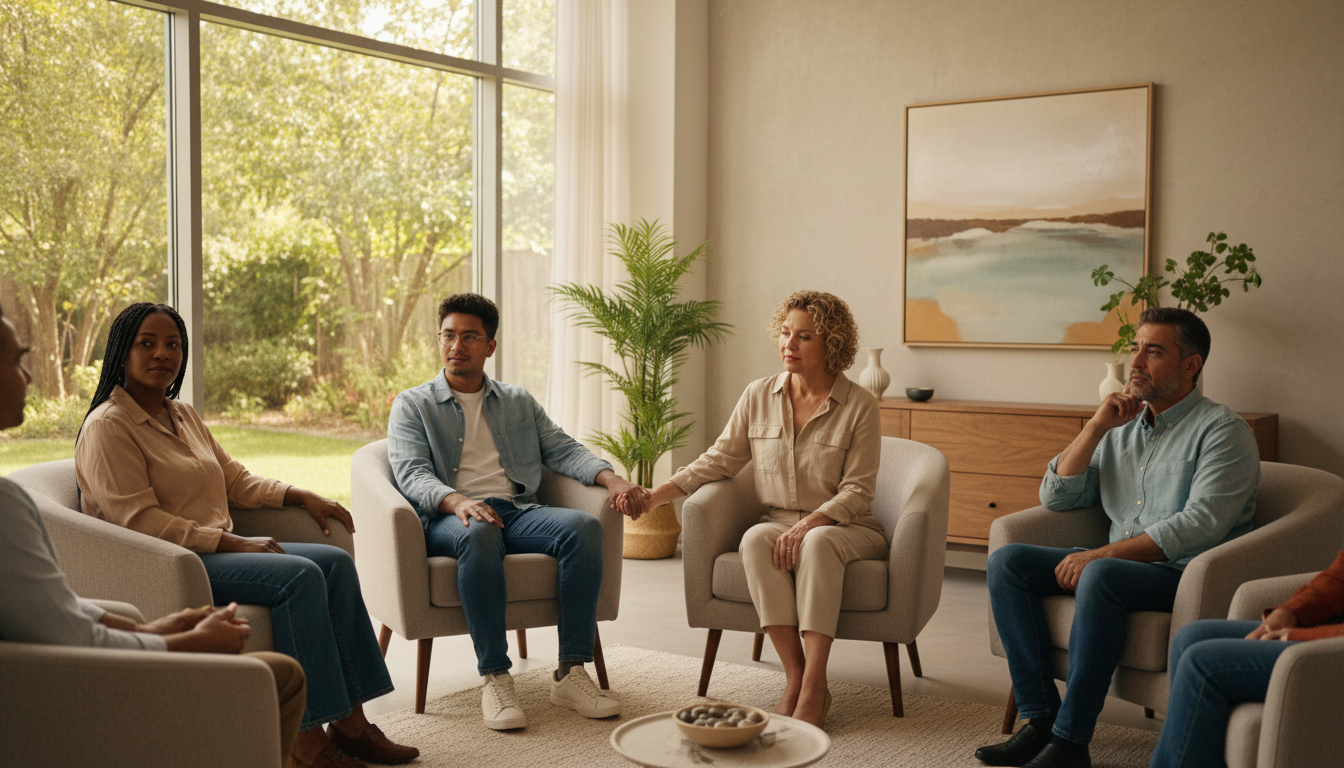
As society becomes more diverse, so does the need for inclusive and culturally competent therapy. Therapists are increasingly being trained to understand and respect cultural differences, ensuring that all clients feel seen and understood.
Innovative programs are being developed to support minority groups, including tailored therapies for LGBTQ+ individuals and culturally specific counseling for various ethnic communities. These initiatives aim to break down barriers and provide equitable mental health support for all.
Conclusion
The future of therapy and counseling is bright, with these innovative trends paving the way for more effective and accessible care. By embracing technology, holistic methods, and a commitment to diversity, the field is transforming to meet the needs of a changing world.
As these trends continue to evolve, therapists and counselors will be better equipped to support their clients, fostering a healthier and more connected society.