
The Benefits of EMDR Therapy for Trauma Recovery


Understanding EMDR Therapy
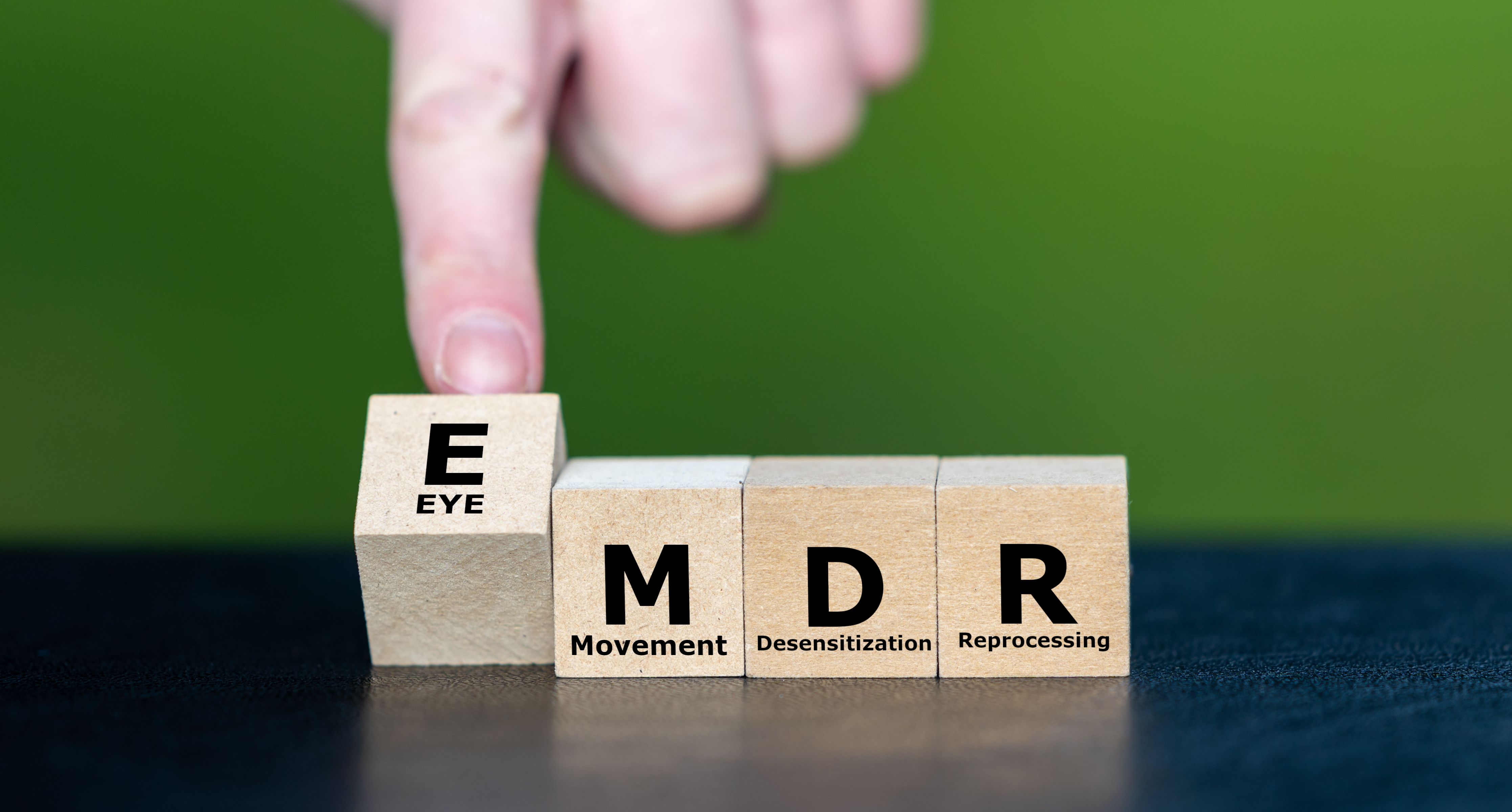
Eye Movement Desensitization and Reprocessing (EMDR) therapy is a powerful psychological treatment developed in the late 1980s to help individuals recover from trauma and distressing life experiences. It has been extensively researched and proven effective in treating post-traumatic stress disorder (PTSD), anxiety, depression, and other emotional challenges.
EMDR therapy involves a unique process where patients focus on specific traumatic memories while simultaneously experiencing bilateral stimulation, usually through guided eye movements. This dual focus helps reduce the emotional charge associated with those memories, allowing for healthier processing and integration.
How EMDR Therapy Works
The core principle of EMDR therapy is that the mind can heal from psychological trauma much as the body recovers from physical trauma. During EMDR sessions, therapists guide patients through eight phases, including history taking, preparation, assessment, and desensitization, among others.
In the desensitization phase, individuals recall distressing memories while engaging in bilateral stimulation. This process helps to rewire the brain's response to trauma, transforming negative emotions and beliefs into positive ones. Over time, this can lead to significant relief from symptoms.

EMDR Therapy Benefits
One of the most significant benefits of EMDR therapy is its ability to produce rapid and long-lasting results. Many individuals report significant improvements after just a few sessions. Some key benefits include:
- Reduction of PTSD Symptoms: EMDR therapy has been shown to effectively reduce symptoms of PTSD, such as flashbacks, nightmares, and hyper-vigilance.
- Improvement in Anxiety and Depression: By addressing the root causes of these conditions, EMDR can lead to improvements in overall mental health.
- Increased Self-Esteem: As traumatic memories lose their grip, individuals often experience a boost in self-confidence and self-worth.
Who Can Benefit from EMDR Therapy?
EMDR therapy is suitable for a wide range of individuals. While it is most commonly associated with PTSD, it can also be beneficial for those who have experienced trauma related to abuse, accidents, or loss. Additionally, EMDR can be helpful for individuals struggling with anxiety, depression, and phobias.

Children and adults alike can benefit from EMDR therapy. It's crucial to work with a trained EMDR therapist who can tailor the treatment to meet each individual's unique needs and circumstances.
Finding the Right EMDR Therapist
Choosing the right therapist is essential for a successful EMDR experience. Look for a professional who is certified in EMDR therapy and has a strong background in treating trauma. A good therapist will create a safe and supportive environment for you to explore and heal from your traumatic experiences.
It's also important to feel comfortable and connected with your therapist. Building a trusting relationship will enhance the effectiveness of the therapy and contribute to your overall healing journey.

Conclusion
EMDR therapy has revolutionized the way mental health professionals approach trauma recovery. By leveraging the brain's natural healing abilities, EMDR can bring about profound changes in emotional well-being. Whether you're dealing with the aftermath of a traumatic event or seeking to improve your mental health, EMDR therapy offers a promising path to recovery.